
Top Paint Brands for Every Project
You’re standing in the paint aisle, staring at a dizzying wall of color chips that includes fifty different shades of "Off-White" alone. Facing four competing manufacturers and prices ranging from twenty to eighty dollars a gallon, it is easy to feel paralyzed by the sheer number of options. How do you actually choose the right can without losing your mind or blowing your budget?
Many DIYers encounter "painter’s remorse" only after they are halfway through a project and the paint starts peeling or failing to cover. While saving twenty dollars at the register feels like a smart financial move, professional decorators often warn that the "hidden cost" of cheap paint is paid in your own labor. If a budget product requires four coats to do the job of two, you haven't actually saved money; you have simply traded cash for a lost weekend.
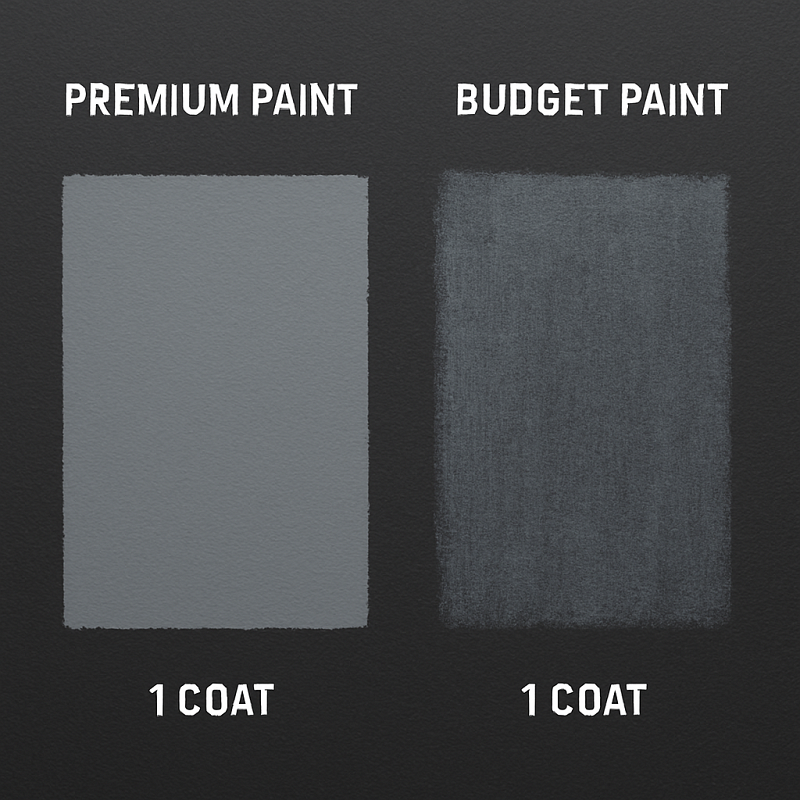
Consider the "Red Wall" scenario, widely regarded by experts as the ultimate test of paint quality. A premium formula acts like high-end makeup concealer, hiding a bold, dark crimson color in fewer layers because it is packed with higher concentrations of pigments and solids. By contrast, bargain options behave more like watery foundation, forcing you to apply coat after coat to stop the old color from bleeding through.
Finding the right label separates a satisfying afternoon project from a week-long nightmare. Bridging the gap between "I like this color" and "this will actually last" requires identifying the top paint brands based on coverage, durability, and ease of application. This guide identifies the best paint brands that ensure your hard work looks professional for years to come.
The 'High-Hide' Secret: Why Some Paints Cover in One Coat While Others Need Three
You have likely stood in a room, roller in hand, realizing that the bright red wall is still showing through your new beige paint. This frustration stems from confusing "coverage" with "hide." While coverage tells you how far the paint spreads (usually 400 square feet per gallon), hide measures how well it actually masks the color underneath. Think of it like makeup: a cheap foundation might cover your whole face, but it won't hide a blemish without multiple layers, whereas a high-quality concealer does the job in one swipe.

The secret ingredient determining whether you finish in one afternoon or an entire weekend is called "volume solids." Every can contains liquids that help you apply the paint and solids that remain on the wall after drying. Bargain brands are often watered down with excess solvents, meaning a large portion of what you roll on simply evaporates. Premium options act differently because they are packed with higher concentrations of pigment and binders, leaving a thicker film that blocks out imperfections effortlessly.
Spending extra upfront often saves money later since you won't need to buy a second or third gallon to get the job done. You are essentially trading dollars for time and a professional finish. With the chemistry understood, we can compare the top contenders to see which one deserves a spot on your walls.
Sherwin-Williams vs. Benjamin Moore: Which Premium Brand Wins for Your Home?
If you ask a professional painter for a recommendation, the answer is almost always a toss-up between Sherwin-Williams and Benjamin Moore. These two titans dominate the market because they offer consistency that cheaper brands struggle to match. While Sherwin-Williams operates its own dedicated stores found on nearly every corner, Benjamin Moore is typically sold through locally owned hardware stores. Both require a special trip away from the big-box home centers, but the payoff is access to staff who specialize specifically in coatings rather than plumbing or lumber.
Picking between them often comes down to two hidden factors: "flashing" and "scrubbability." Flashing occurs when you try to touch up a scuff mark a year later, and the new patch dries with a slightly different shine than the surrounding wall, standing out like a sore thumb. Benjamin Moore’s Regal Select is famous for its forgiving nature, allowing you to fix small dings seamlessly even months later. On the other hand, Sherwin-Williams usually wins on scrubbability ratings, which measure how aggressively you can clean a wall before the pigment starts to rub off—a crucial feature for hallways and mudrooms.
To help you decide which strength matters more for your specific room, consider how their flagship products perform:
- Benjamin Moore Regal Select: Best for living rooms and bedrooms where appearance is everything; it offers smoother leveling for fewer brush marks and resists flashing better than almost any competitor.
- Sherwin-Williams Emerald: Ideal for high-traffic areas, trim, and cabinets; it cures into a harder shell that resists dirt and stands up to frequent, heavy cleaning.
- Price Strategy: Both command premium prices ($75+ per gallon), but Sherwin-Williams runs frequent 30–40% off sales, whereas Benjamin Moore prices rarely fluctuate.
Ultimately, you cannot go wrong with either brand if you stick to their mid-to-high-grade lines. If you want a flawless, matte finish that hides mistakes, lean toward Benjamin Moore, but if you need a rugged shield for a chaotic entryway, Sherwin-Williams often has the edge. However, not everyone wants to spend nearly $100 on a single gallon of paint.
Big Box Value: Getting Professional Results with Behr and Valspar
Walking into a Home Depot or Lowe’s is often more convenient than hunting down a specialty store, and the massive paint aisles offer significant savings. Brands like Behr and Valspar have successfully shed their old budget-only reputation, earning spots among the top paint brands by introducing premium lines that actually compete with the pros. The secret to getting affordable high quality wall paint at these stores isn't just picking the right logo; it is ignoring the cheapest can on the shelf. These retailers operate on a strict tier system, and the bottom-tier "economy" options are often thin, requiring multiple coats that cost you more in time and extra gallons than you save upfront.
To find the best paint brands within these tiers, you generally need to reach for the "Better" or "Best" labels. For example, Behr’s Marquee or Valspar’s Reserve feature high-hide formulas that offer one-coat coverage, making them excellent contenders for drastic color changes. While they may lack the ultra-creamy application of a $90 boutique gallon, they are highly durable and typically cost $20 to $30 less. This makes them the sweet spot for living rooms, guest rooms, or rental properties where you need a balance of respectable performance and budget control.
If you are trying to decide when to save cash at the big box store versus when to splurge on a pro brand, use this simple decision filter:
- Traffic Level: Is it a ceiling or inside a closet? Buy the standard "Good" line here; nobody scrubs a ceiling.
- Color Transition: Are you painting white over white? A mid-tier big box paint will cover perfectly fine.
- Durability: Is this for a rental or a quick refresh? The premium store brands offer great value without the professional price tag.
Once you have settled on a brand and price point, there is one final safety check to consider before opening the can, especially if you have little ones running around.
Safe Spaces: Picking Low-VOC and Eco-Friendly Paints for Nurseries
That distinctive "fresh paint" scent might signal a job well done, but it is actually the result of chemicals off-gassing into your home’s air. These invisible vapors are called Volatile Organic Compounds (VOCs), and they are the primary culprits behind post-painting headaches and dizziness. While standard paints can release these fumes for weeks as they cure, the industry has pivoted toward healthier alternatives that minimize indoor pollution without sacrificing color vibrancy or application smoothness.
For sensitive areas like bedrooms and playrooms, eco friendly paint brands for nursery projects have shifted from niche specialty items to standard shelf staples. You no longer have to choose between safe air and a durable finish; top-tier manufacturers now engineer their premium lines to be Zero-VOC or Low-VOC by default. When scanning labels, look for independent certifications like "Green Seal," which verify that the product meets strict chemical limitations, ensuring the room is safe for your little ones almost immediately after the walls feel dry to the touch.

Selecting these safer low VOC interior paint options means you can often sleep in a freshly painted room the very same night without worry. However, while air quality is the top priority in a bedroom where you spend eight hours sleeping, other areas of your home face physical threats that require a much tougher shield against moisture and mess.
Kitchen and Bath Test: How to Choose Paint That Handles Steam and Spilled Spaghetti
While the nursery needs safe air, your kitchen and bathroom are essentially war zones for your walls. Steam from hot showers and grease splatter from Tuesday’s spaghetti night demand a finish that fights back against moisture. If you use a standard flat paint here, scrubbing off a stain often means scrubbing off the paint itself—a frustration known as "burnishing." To avoid leaving shiny, bald spots on your wall after a single cleanup, you need to look for scrubbable kitchen paint ratings specifically designed to hold their pigment under pressure.
Beyond physical toughness, high-humidity environments require chemical protection. Look for cans labeled specifically for "Kitchen & Bath" because these formulas include antimicrobial additives that standard wall paints lack. These invisible ingredients act like a microscopic shield, preventing mildew from rooting into the drywall when the room gets steamy. Knowing how to choose paint finish for bathrooms isn't just about the shine; it's about selecting a product that won't turn fuzzy and green after a humid summer.
When balancing durability with looks, use this sheen guide to find the right armor for your walls:
- Flat/Matte: Zero shine and soaks up moisture like a sponge. Verdict: Avoid in wet zones.
- Eggshell: Low shine, decent coverage. Verdict: Good for dining rooms, but risky for messy kitchens.
- Satin: The "Goldilocks" finish. Verdict: Velvety look but tough enough for most kitchens.
- Semi-Gloss: High shine, moisture-repellent. Verdict: The standard defender for bathrooms and trim.
Ultimately, the most durable paint for high traffic areas balances aesthetics with utility. You don't always need blindingly shiny walls to get protection; modern premium "Satin" finishes often offer the washability of a gloss without the glare. Once you have safeguarded your home’s interior against steam and stains, it is time to address the skin of your house.
Exterior Excellence: One-Coat Solutions for Curb Appeal That Lasts
Stepping outside poses a tougher challenge because your house’s exterior is constantly expanding and shrinking with the weather. While traditional oil paints were once the gold standard for durability, they often harden into a brittle shell that cracks as the wood beneath it shifts. Modern exterior solutions have evolved into 100% acrylic latex formulas, which act more like a flexible athletic fabric than a rigid suit of armor. This elasticity allows the coating to stretch during hot summers and contract in freezing winters without losing its grip, making the debate of acrylic latex vs oil based paint an easy win for the water-based acrylics on most residential siding.

Beyond temperature shifts, the sun acts as a slow-motion bleaching agent that relentlessly attacks your home's curb appeal. If you choose a budget-friendly can to save money upfront, you will likely notice your vibrant navy blue turning into a chalky, sad gray within two years. Premium exterior paints utilize higher-quality pigments and binders specifically engineered to resist UV breakdown, effectively locking the color in place much like high-end sunscreen protects your skin. Investing in these fade-resistant formulas ensures that your hard work doesn't wash out, keeping your house looking freshly painted long after the neighbors have had to redo theirs.
Marketing labels often promise miracles, but achieving true one coat coverage exterior paint usually requires a pristine, pre-primed surface rather than a weathered old wall. If you try to slap a single layer of paint over peeling beige siding, the old color—and the texture issues—will likely bleed through, forcing you to buy more gallons than you planned. Real durability comes from proper preparation and applying a second coat to ensure an impenetrable seal against the elements. Once you have secured a paint that can handle the physical stress of the outdoors, you need to ensure the specific shade you pick won't unintentionally overheat your siding or look completely different in direct sunlight.
The LRV Hack: Using Light Reflectance Value to Preview Your Color
Have you ever painted a room a "light beige" only to have it feel like a dark cave once it dried? The secret to avoiding this is a tiny number printed on the back of most color chips called the Light Reflectance Value (LRV). Think of light reflectance value in house paint as a percentage scale from 0 to 100 that tells you exactly how much light a color reflects rather than absorbs. A higher number bounces light around, making a cramped powder room feel airy, while a lower number soaks up light to create a cozy, moody atmosphere.
To calibrate your eyes before you head to the store, here is what those numbers actually look like on a wall:
- Pure White (LRV 85-95): Maximum brightness; essential for ceilings or rooms with no windows.
- Standard Greige (LRV 40-60): The "safe zone" for living rooms that balances color depth with brightness.
- Deep Accents (LRV 5-15): Navy blues or charcoal greys that require strong artificial lighting to avoid looking black.
Even with the perfect LRV, colors are shape-shifters that change drastically based on your light bulbs and the time of day. This happens because artificial light pulls out different undertones, turning a "warm grey" into an "unexpected purple" under soft-white LEDs. The only way to guarantee you love the finish is by buying a small sample pot and testing paint samples on different walls—specifically one facing a window and one in a shadowed corner. Watching how that square changes from morning coffee to evening Netflix ensures you won't need a redo, setting you up perfectly for your final trip to the paint counter.
Your Paint Project Action Plan: 3 Steps to Buying the Perfect Gallon Today
You’ve moved past the confusion of the paint aisle and now know how to spot quality in a can. Instead of guessing, you can confidently select the best paint brands that balance your budget with the durability your specific room demands. That wall of color chips is no longer a source of stress, but the start of a transformation.
Make your store visit mistake-free with this pre-flight checklist:
- Measure square footage (length x height) to estimate total gallons needed.
- Confirm your sheen (satin for high traffic, flat for hiding bumps).
- Select a specific line from the top paint brands that fits your project.
Grab your samples and get started—you are ready to paint like a pro.
Planning a project like this? We handle interior painting and exterior painting in Longmont, Erie, and Berthoud.